

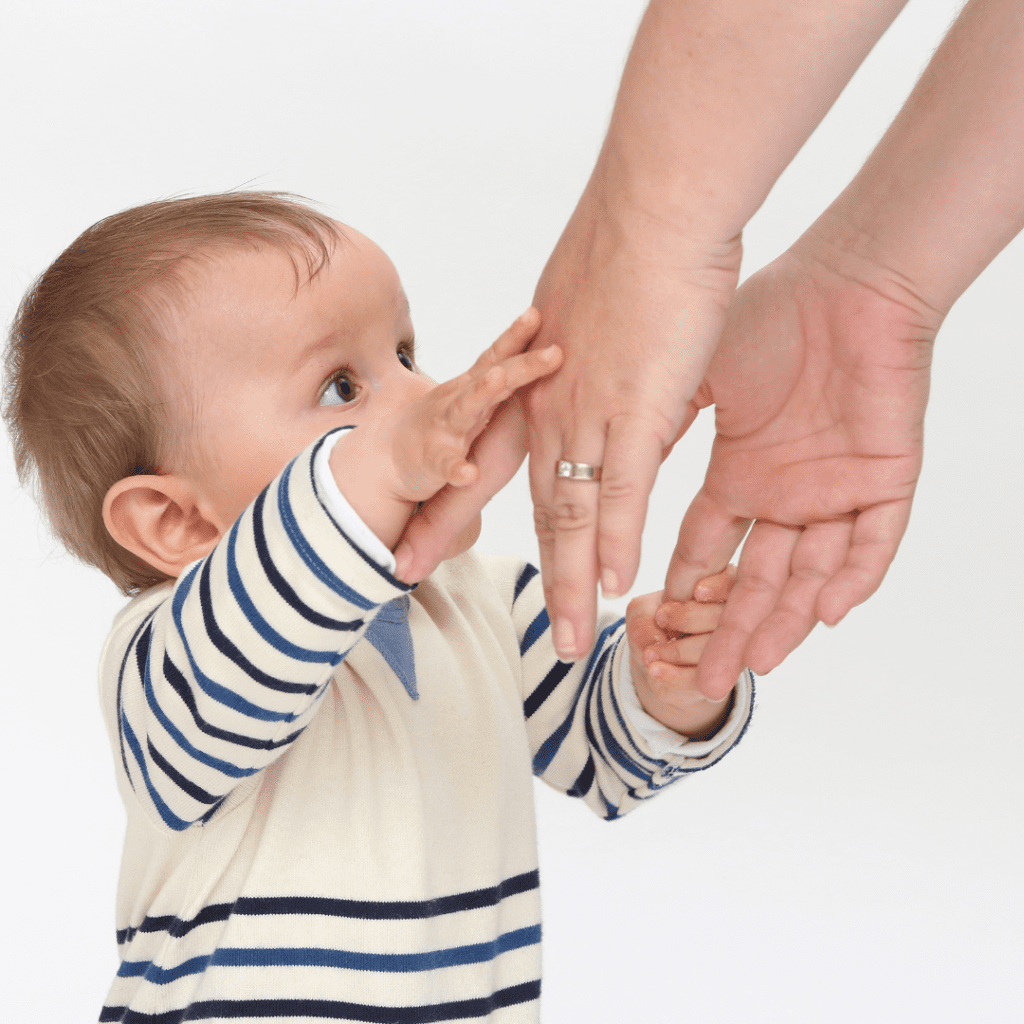
Separation anxiety is a stage in a babies development, often appearing around 8 months of age when they begin to understand object permanence which is the concept that things still exist even when they can’t see them. This is also the age when your little one becomes more aware of who you are, and may understandably dislike being apart from you.
How to Manage Separation Anxiety.
Your baby will gradually learn that your comings and goings are part of a pattern, and that you’ll always return. This understanding however doesn’t happen overnight; it’s a process that requires patience and reassurance.
Here are some helpful strategies to ease separation anxiety and support your baby through this developmental phase:
Reassurance and Emotional Growth.
The best way to address separation anxiety is to consistently reassure your little one that your absence is only temporary. Over time, they will begin to understand that others can care for them as well and that you will always come back. This realisation is an essential part of their emotional growth.
Comfort Items.
Some babies find comfort in a familiar soft toy or blanket that reminds them of you. Following The Lullaby Trust’s safer sleep guidelines, you can give your baby a comfort object to hold during their awake time. This familiar item can help them feel more secure when you’re not around.
Timing Your Departures.
Try to avoid leaving when your baby is tired, hungry, or restless, as they may find it harder to cope during these times. If possible, schedule your departures after nap times or meals, when your baby is more likely to be content and relaxed.
Practice Short Absences at Home.
Help your little one get used to short separations in a safe and controlled environment. For example, allow them to crawl into another room on their own (a safe room, of course) and wait a minute or two before following them. You can also let them know when you’re leaving the room, where you’re going, and that you’ll be back soon. This teaches your baby that it’s okay if you’re not always in sight, as they’ll learn to expect your return.
Introduce Trusted Caregivers Gradually.
If you plan to leave your little one with a family member or babysitter, invite that person over in advance so your baby can get to know them. Start with brief periods away, allowing your baby to build trust and comfort with this new caregiver.
Create a Consistent Caregiver Routine.
Where possible, try to have a consistent group of people who interact with and care for your baby. Familiar faces can make separations easier, as your baby will feel secure with people they recognize and trust.
Consistent, Calm and Confident.
Have a nap time and bedtime routine that is consistent so there are no surprises which will in turn give your little one confidence as they know what to expect at that time. Try and be calm and patient with any resistance, this is a phase and it will pass easier if you give yourself a break too and accept that things may be a little more of a struggle for a short time but it will pass. If it doesn’t pass then you can always reach out for a call with me to discuss.
Establish a Goodbye Ritual.
Having a consistent, loving goodbye ritual can help signal to your baby that you’ll be back soon. Say your goodbyes calmly, confidently, and don’t sneak away, as this can make your little one feel more anxious. When you leave, commit to it; returning too quickly or often can make separations harder.
Follow Through on Promises.
If you say you’ll be back at a certain time, make sure to keep your word. This consistency will help your baby trust that they can handle short separations, knowing you’ll always come back as promised.
Final Thoughts
Separation anxiety is a natural part of a baby’s development and reflects the strong bond you’ve built with your child. With patience, reassurance, and a few comforting strategies, you can help your baby navigate this phase, building their confidence and security for the future.
There are many development leaps a little ones goes through before they are 2 years old. If you are struggling with sleep, please get in touch. Book a free, no obligation call and we can talk about working together to get you a better night’s sleep.


